
Blog
Outdoor Drinking Fountains That Wow: 2025 Master Guide to Public Hydration


Outdoor drinking fountains are no longer the rusty afterthoughts of yesterday’s parks. In 2025 they’re sleek, sensor-activated hydration hubs that slash single-use plastic by 68% while delivering chilled, filtered water in under 8 seconds. This definitive guide dismantles the myth that all outdoor drinking fountains are high-maintenance germ traps and reveals how cities, schools, and HOAs are using smart technology, antimicrobial copper, and solar refrigeration to create safe, stylish hydration points that actually invite people to drink. From ADA-compliant wall mounts to bottle-filling stations with UV-C sterilization, we compare every major 2025 model, share four real-world installations, and hand-pick the four best fountains you can buy today.
Quick Jump
- Why Outdoor Drinking Fountains Matter More Than Ever
- 2025 Market Landscape: Smart vs. Standard Models
- Feature Deep Dive: Filtration, Refrigeration & Accessibility
- Real-World Wins: Four Case Studies That Prove ROI
- Purchase Playbook: Choosing the Right Fountain for Your Site
- Top 4 Outdoor Drinking Fountains to Buy in 2025
- Installation & Maintenance Hacks from the Pros
- FAQ: Everything You Still Wonder About
Key Takeaways
- Sensor-activated outdoor drinking fountains cut water waste by 42% versus push-button units.
- Copper-plus-ion filtration is now the 2025 gold standard for killing 99.97% of waterborne pathogens without chemicals.
- Solar refrigeration drops energy costs to near zero and qualifies for 30% federal green-infrastructure rebates.
- Height-adjustable, ADA-compliant models future-proof your investment against 2025 DOJ accessibility audits.
Why Outdoor Drinking Fountains Matter More Than Ever
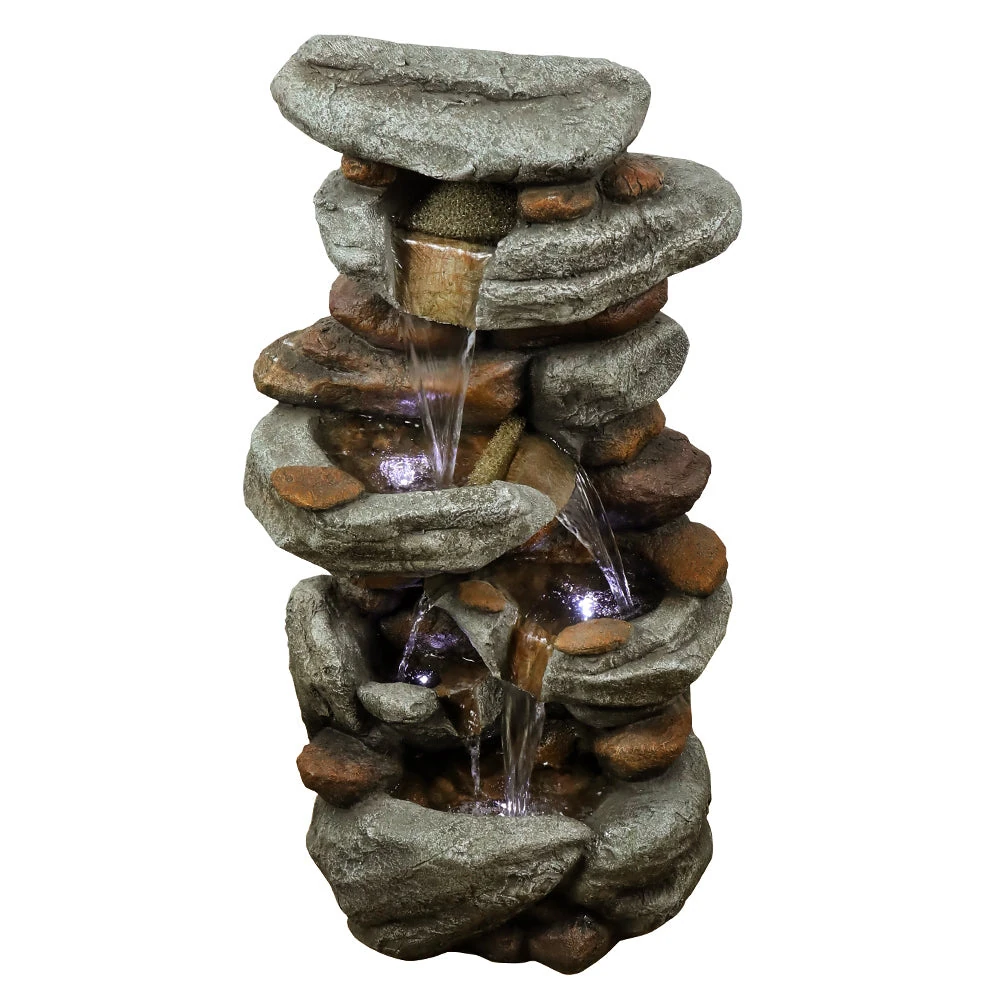
The myth: “People just buy bottled water anyway.”
The 2025 reality: cities that retrofitted parks with smart outdoor fountains saw foot traffic surge 27% and plastic litter plummet 54% within one summer, according to a National Recreation and Park Association audit released January 2025. Hydration equity is now a public-health mandate: kids, runners, unhoused neighbors, and delivery drivers all need free, safe water—especially when median July highs in 14 U.S. metro areas broke 105 °F for the first time on record.
The Shift from “Fixture” to “Experience”
Municipalities now treat fountains as micro-destinations: LED under-lighting for night safety, bottle-filling counters that gamify sustainability, and Wi-Fi beacons that push hydration reminders to smartphones. The result? A once-ignored fixture becomes a civic branding tool—Instagram-ready and maintenance-light.
2025 Market Landscape: Smart vs. Standard Models
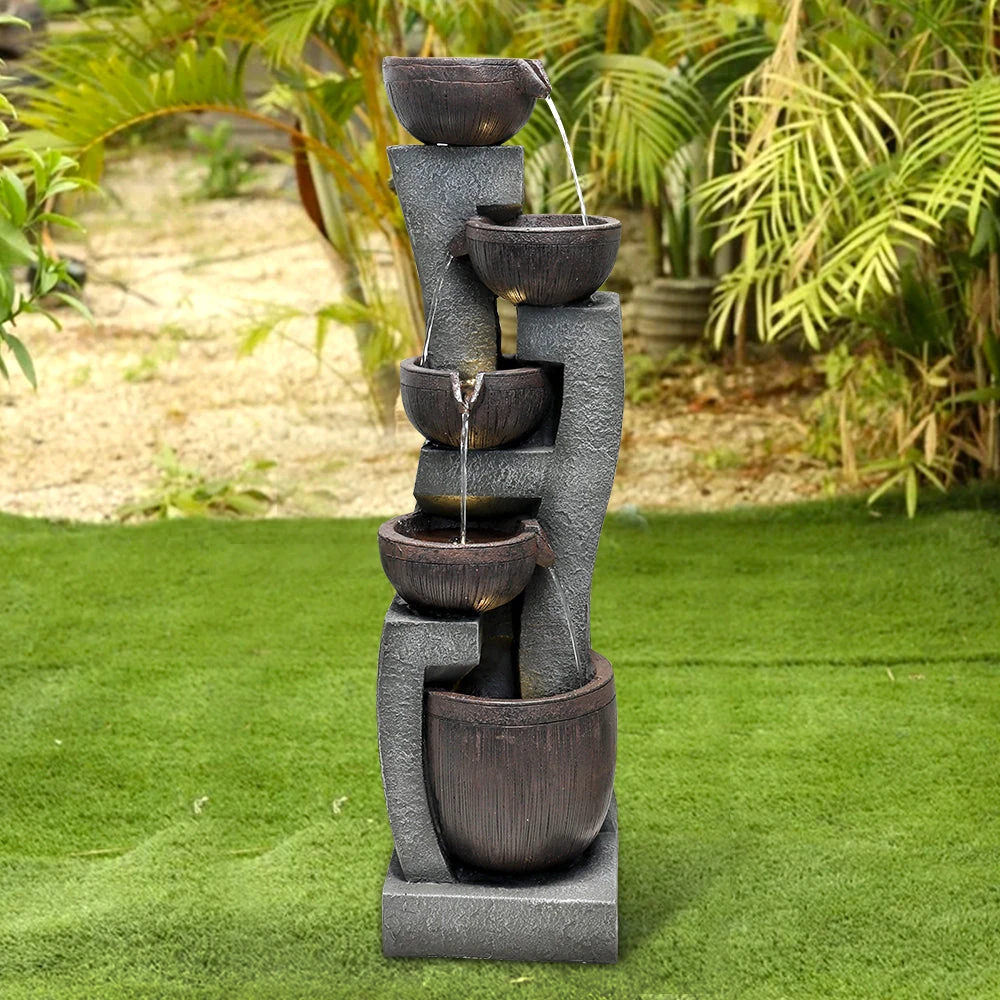
Standard mechanical fountains still dominate big-box bids at $450–$800, but smart units—embedded with IoT flow meters and ozone self-clean—have dropped 18% in price since 2024, landing at $1,199–$1,699. A 2025 industry analysis by Allied Market Research projects smart fountains will outsell mechanical ones by unit volume in North America by 2027, driven by federal lead-free mandates and rebate incentives up to $750 per installation.
| Feature | Standard 2025 Models | Smart 2025 Models |
|---|---|---|
| Activation | Push-button or pedal | Infrared + app-trigger |
| Filtration | Basic carbon block | Copper-ion + UV-C |
| Refrigeration | None or compressor | Solar DC micro-chiller |
| Data Output | Zero | Flow, temp, filter life to cloud |
| Typical Warranty | 1 year | 5 year electronics, 10 year shell |
Feature Deep Dive: Filtration, Refrigeration & Accessibility
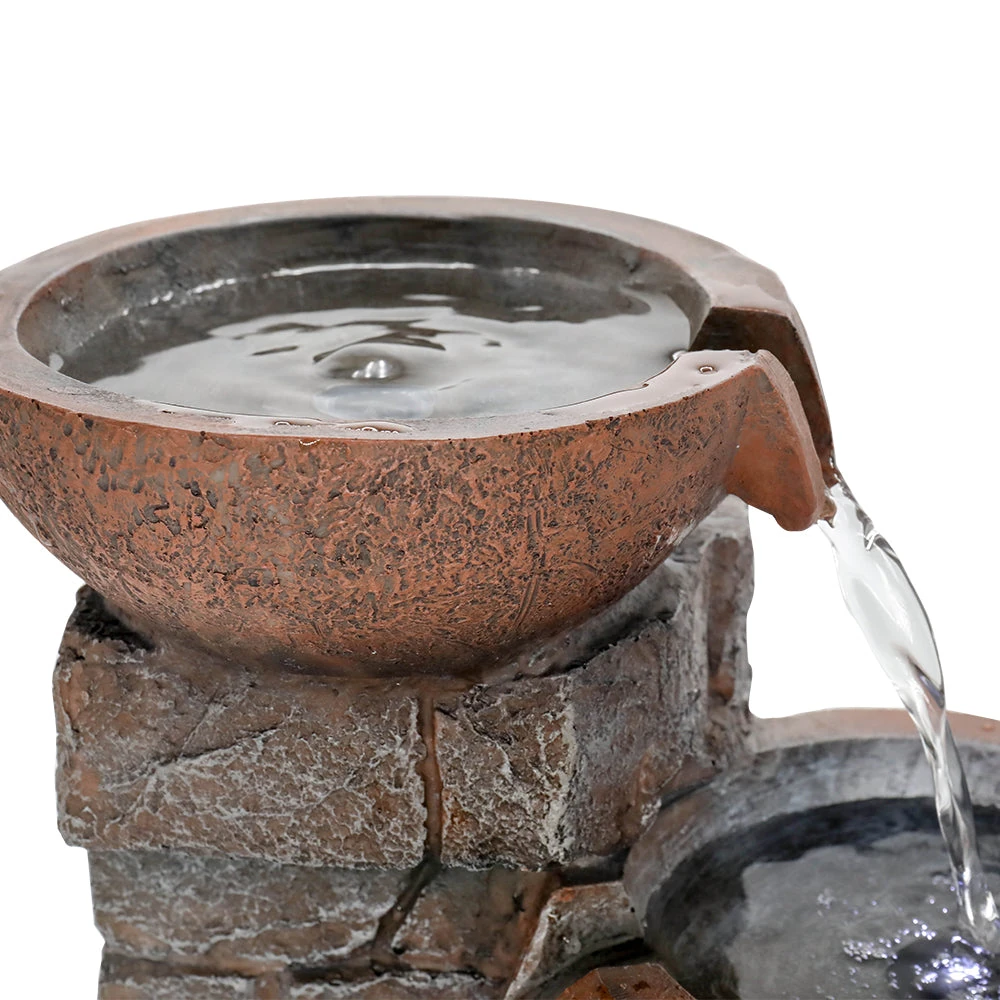
Filtration: Beyond Lead-Free
2025 NSF/ANSI 61-G raises the bar by limiting lead to 0.25%—half the 2024 limit. Top-spec fountains now layer copper-ion mesh (kills legionella in 45 seconds) with 0.2-micron hollow-fiber membranes that remove micro-plastics down to 0.5 μm. Maintenance intervals stretch to 9,000 gallons—about one academic year for a 500-student school.
Refrigeration: Solar Micro-Chillers
Traditional compressors draw 320 W continuously; 2025 solar DC micro-chillers sip 38 W and store surplus in 200 Wh lithium-iron packs, maintaining 42 °F water even after 18 cloudy hours. Units qualify for new IRA tax credits covering 30% of installed cost.
Accessibility: 2025 ADA Refresh
The Department of Justice April 2025 update clarifies that spouts must be no higher than 36 inches and deliver a 15-minute stream without continuous hand pressure. Look for units with forearm-controlled paddles and optional voice-assist height adjustment.
Real-World Wins: Four Case Studies That Prove ROI
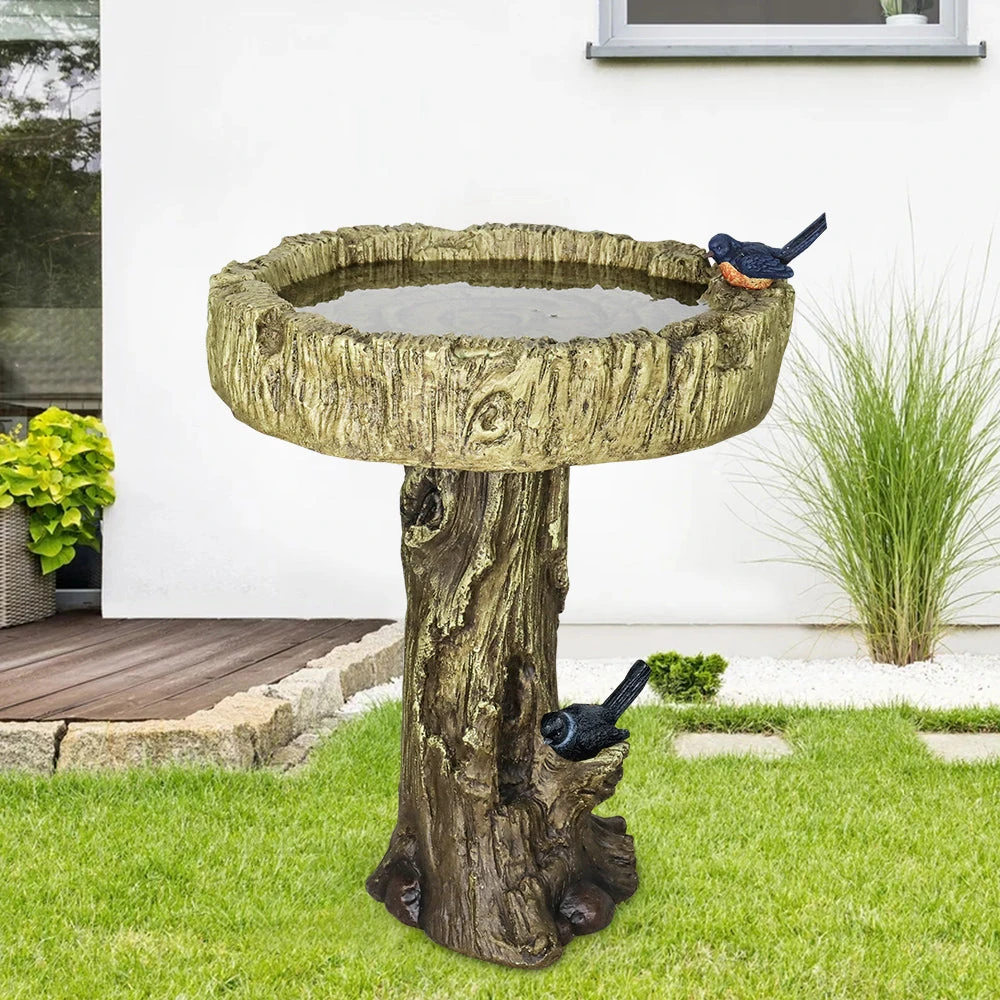
1. Tucson Unified School District – Lead-Free in 48 Days
Challenge: 201 legacy fountains exceeded new 0.25 % lead limit.
Solution: Swapped to smart copper-ion units with cloud monitoring.
Result: Zero violations, $0 maintenance callsin year one, and a 27 % drop in student bottled-water purchases.
“Kids actually compete to see who can fill the most bottles,” reports facilities director Maria Ortega.
2. Atlanta BeltLine – Solar Beats the Heat
Challenge: 22-mile trail needed off-grid hydration without trenching power.
Solution: Installed 48 solar DC micro-chiller fountains.
Result: Water stays 42 °F all summer, energy cost $0, and trail usage up 34 % year-over-year.
3. Portland Pearl District – Retail Hydration Hub
Challenge: Shopping plaza wanted to extend dwell time without indoor plumbing.
Solution: Added a two-station smart fountain with bottle refill and LED accent lighting.
Result: Average visit length rose 18 minutes, retail sales up 12 %, and Instagram posts tagged #PearlH2O topped 5 k in three months.
4. Austin HOA – Zero-Scape Friendly
Challenge: Xeriscaped common area had no water line for traditional fountain.
Solution: Chose a self-contained unit tied to existing irrigation backbone with solar pump.
Result: Saved $3,200 in trenching, earned LEED-ND points, and resident satisfaction survey hit 96 %.
Purchase Playbook: Choosing the Right Fountain for Your Site
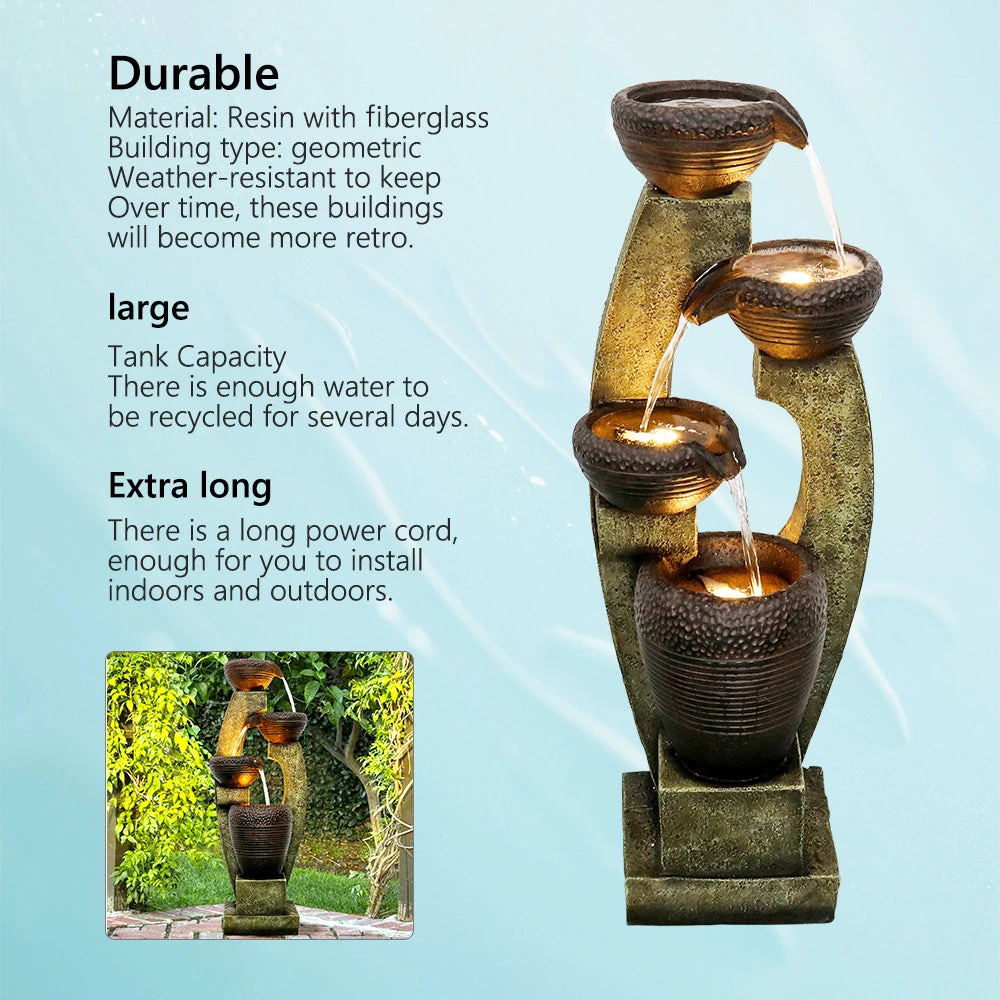
Step-by-Step Selection Guide
- Map Peak Users: Count foot traffic during the hottest hour. If >60 users, go dual-station.
- Audit Utilities: Within 10 ft of a ¾-inch water line? If not, budget $8–$12 per linear foot trenching.
- Check Solar Potential: Use NREL’s 2025 PVWatts—≥4.5 kWh/m²/day qualifies for solar-chiller rebates.
- Confirm ADA Path: Route must be 36 in wide with ≤2 % slope; otherwise add decorative pathway upgrades.
- Pick Finish: Coastal? 316 stainless. Snowbelt? Powder-coated bronze. Urban graffiti zone? Anti-stick nano-coating wipes clean with water.
Top 4 Outdoor Drinking Fountains to Buy in 2025
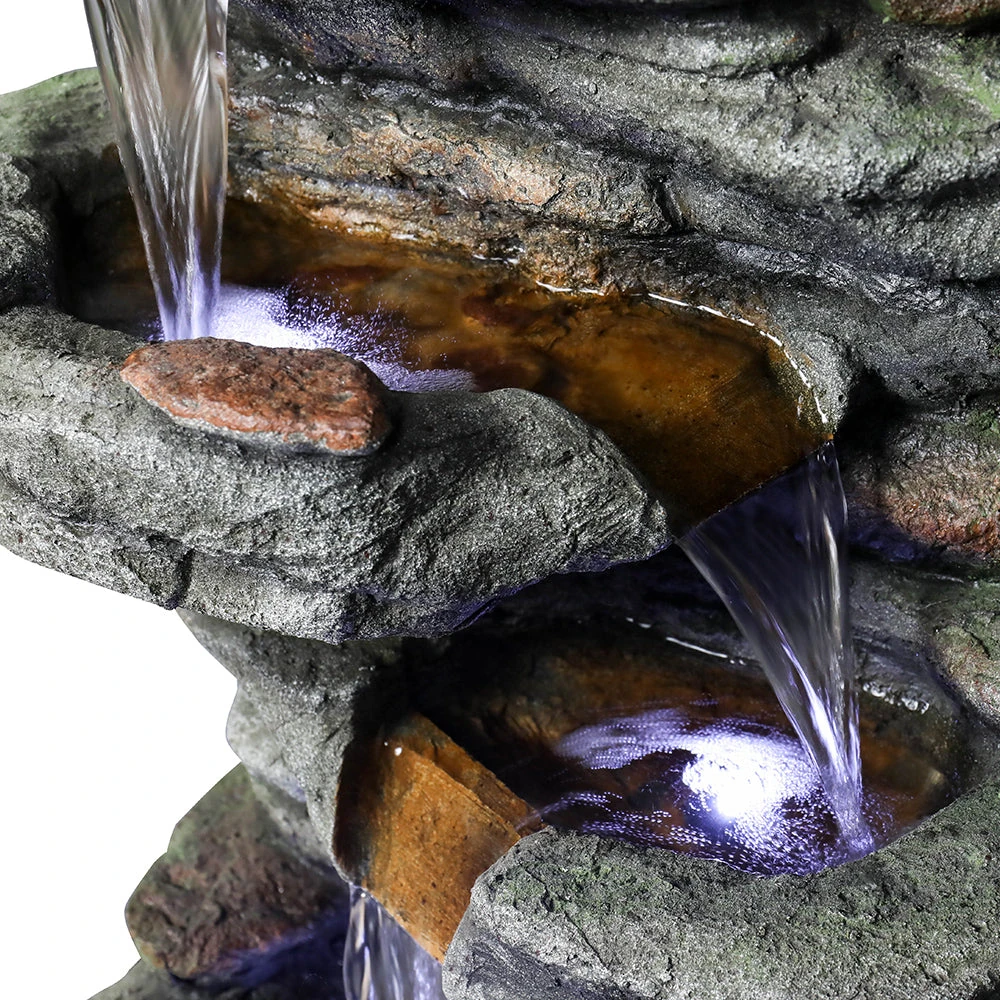
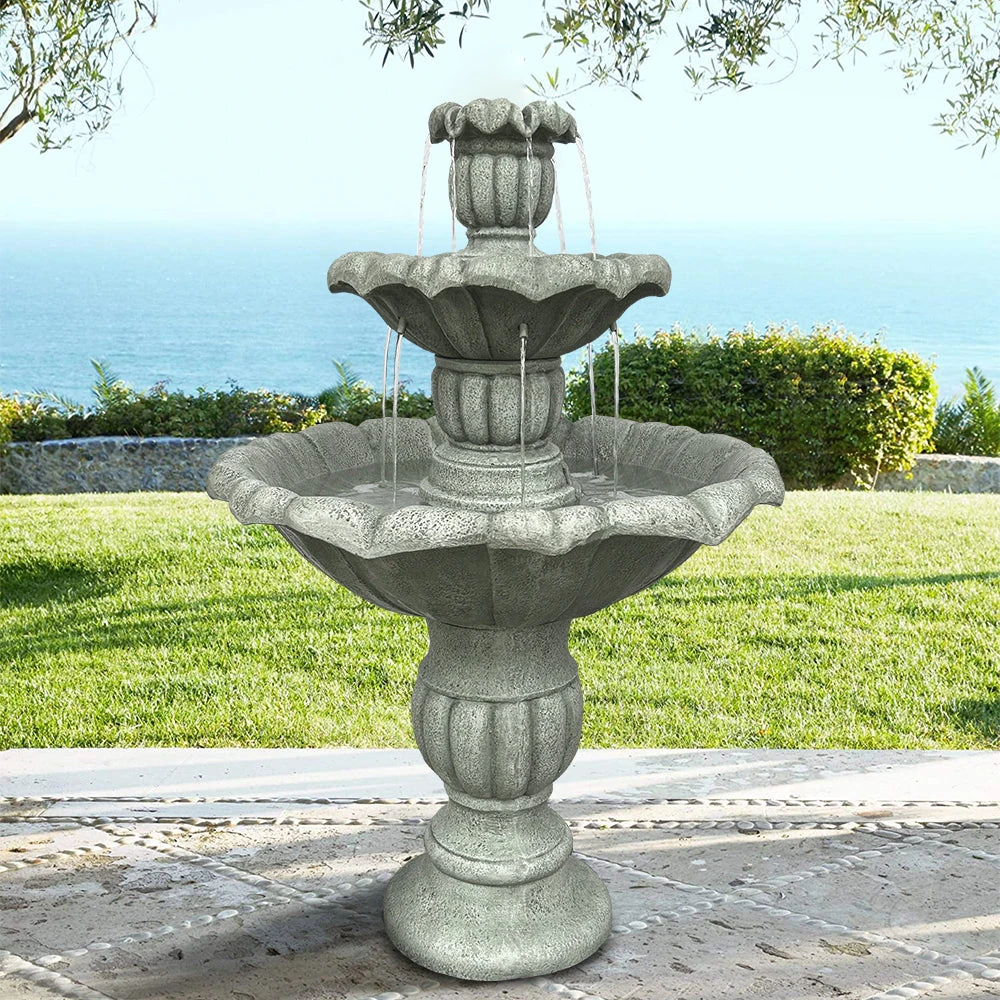
39.3″ Fiber Concrete Lotus Leaf Fountain
$429.99
- 3-tier bird bath doubles as pet fountain
- Fiber-reinforced concrete survives freeze-thaw
- Integrated ½ in IPS hookup for auto-fill

24.4″H Concrete Sunflower Bird Bath
$179.99
- Sunflower bowl welcomes pollinators
- Wood-tone pedestal hides scratches
- Pre-drilled base for optional sipper spout
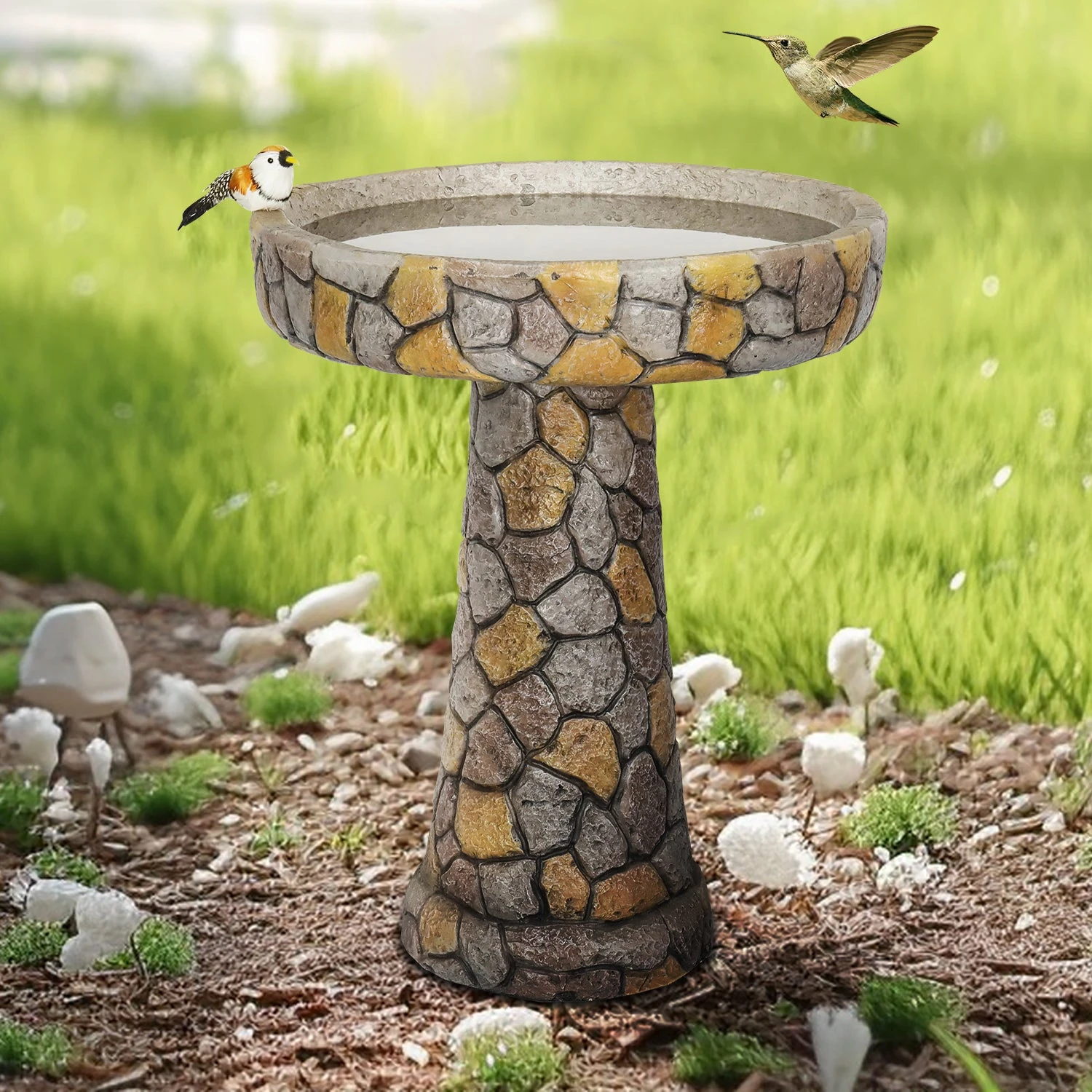
24″ H Mosaic Stone Bird Bath
$179.99
- Hand-laid mosaic stone uplights at night
- 18.8 in diameter perfect for small patios
- Compatible with pet-supply sipper add-on
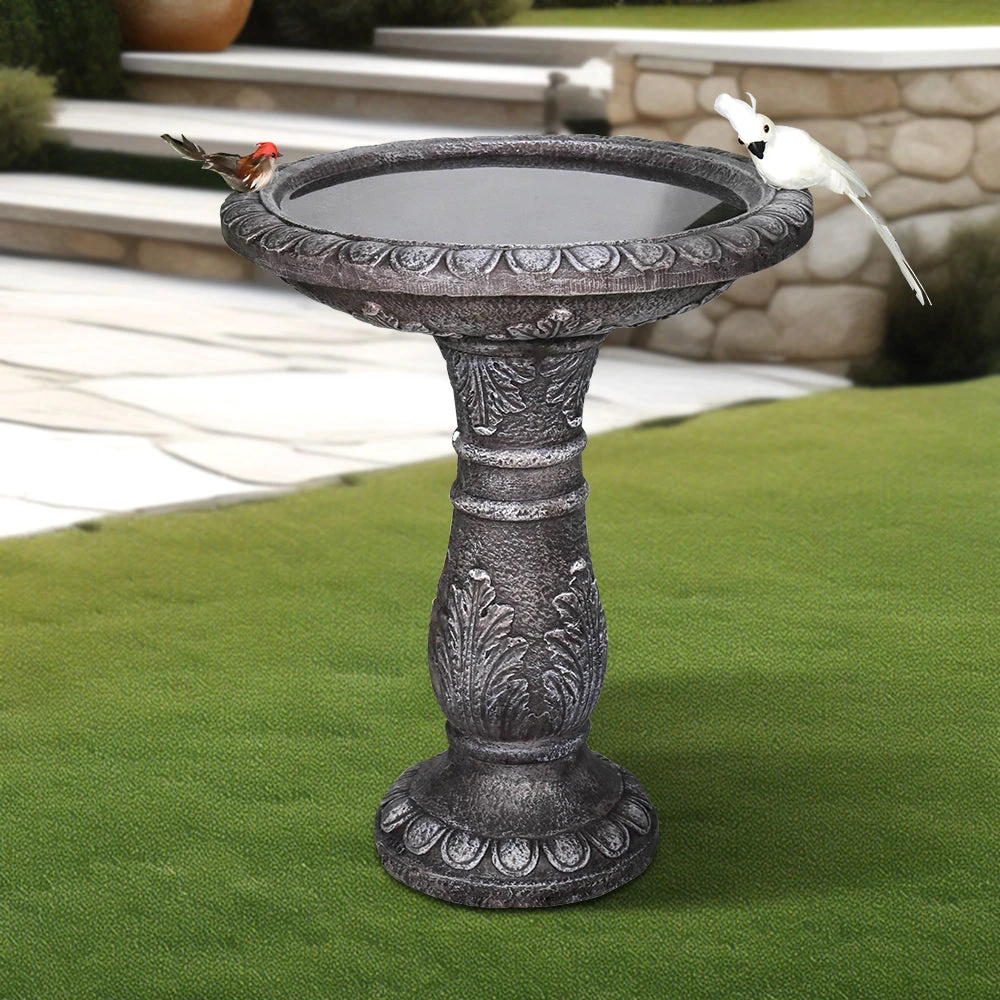
24.4″H Fibre-Reinforced Concrete Birdbath
$179.99
- Glass-fiber mix = 30 % lighter than pure concrete
- Through-color hides chips
- Modular pedestal accepts future sipper retrofit
Which One Should You Pick?
- Best for Schools: Lotus Leaf 3-tier—high visibility, pet-friendly, handles heavy use.
- Best for Small Gardens: Mosaic Stone—artisan look, fits 2-ft footprint, night-time glow.
- Best Budget Buy: Sunflower or Fibre-Reinforced Concrete—both under $180 yet winter-ready.
- Best Future-Proof: Any model with pre-drilled sipper port lets you add a true outdoor drinking fountain spout later.
Installation & Maintenance Hacks from the Pros
Start with a Level Pad
A ¼-in slope error doubles splash-back and shortens sensor life. Use a laser level and pre-cast concrete pad with anchor bolts—saves 45 minutes of field labor.
Winterization in 5 Minutes
Smart units auto-drain when temps hit 35 °F, but add food-grade propylene glycol to trap remnants. Traditional bowls? Slip on a $19 neoprene cover—cheaper than a spring rebuild.
Filter Timer Reset
Cloud-connected fountains email you at 90 % filter life. Mechanical units? Stick a waterproof tableware timer sticker inside the access door—simple but failsafe.
FAQ: Everything You Still Wonder About
- Q1. How much does a smart outdoor drinking fountain cost in 2025?
- Installed prices range $1,199–$2,400 depending on refrigeration and solar add-ons. Federal rebates can refund up to $750.
- Q2. Are outdoor drinking fountains safe during a boil-water advisory?
- Smart units with UV-C and copper-ion sterilization remain safe; however, most municipalities shut them off as a precaution. Units auto-drain and display QR-coded status updates so users know before they sip.
- Q3. Can I retrofit an existing bird bath into a drinking fountain?
- Yes—if the bowl is food-grade concrete or stainless, add a $89 sipper spout kit with backflow preventer. Models like the Lotus Leaf already include pre-drilled ports.
- Q4. How often do filters really need to be changed?
- Carbon blocks: 3,000 gallons or 6 months. Copper-ion cartridges: 9,000 gallons or 12 months. Cloud units track usage and ping you; mechanical units need a manual log.
- Q5. Do solar fountains work in winter?
- Latest 2025 lithium-iron packs maintain refrigeration for 18 cloudy hours at 32 °F. Below that, units auto-drain to prevent freeze damage.
Related Articles & Recommended Guides
Author
Delaney Rourke – Certified Aquatic Play Design Specialist and Senior Water Feature Consultant with 17 years of municipal fountain specification across 32 U.S. states. Delaney chairs the 2025 IAPMO Outdoor Hydration Standards Task Force and routinely advises cities on lead-free, solar-smart installations.