Blog
Bird Baths with Bubblers: Definitive 2025 Guide to Crystal-Clear Water & Frenzied Feathered Visitors


Stale, mosquito-laden water is the fastest way to turn your backyard into a ghost town for songbirds. In 2025, the smartest fix—bird baths with bubblers—has moved from niche to mainstream, with North-American sales up 68% year-over-year according to the latest Garden Trends Report. This guide dissects why the gentle motion of a bubbler outperforms traditional fountains, which models dominate lab-verified durability tests, and how to match a unit to your exact yard conditions—sunny balcony, windy rooftop, or half-acre pollinator garden—so you attract more species while cutting cleaning time in half.
Table of Contents
- Why Bubblers Beat Stagnant Water: 2025 Science Update
- Market Snapshot: Comparing 5 Leading Bubbler Styles
- Real-World Wins: Four Homeowner Case Studies
- Purchase Matrix: Top 4 Bird Baths with Bubblers in 2025
- Installation & Upkeep: Pro Tips from Certified Techs
- FAQs: Power Bills, Winterization, Bird Safety & More
Key Takeaways
- Bubblers reduce mosquito larvae by 92% versus still water—confirmed by 2025 entomology field trials.
- Concrete lotus-tier models now cost 18% less per pound than in 2023 thanks to recycled-fiber additives.
- Solar-bubbler kits pay for themselves in 14 months on average when replacing electric pedestal units.
- Sound level sweet spot for attracting the widest bird diversity: 42–48 dB at 1 m—about the hush of a library.
Why Bubblers Beat Stagnant Water: 2025 Science Update
Stagnant bird baths become microbial soup in 36 hours at 80 °F, but a low-flow bubbler introduces constant surface agitation that slashes bacterial counts by 78% according to a 2025 UC Davis veterinary study. The gentle ripples also reflect UV light in shifting patterns, alerting migrants from farther away—researchers recorded 2.3× more landings on bubbler units than on identical still basins placed just ten feet away.

From an energy standpoint, the newest solar bubbler inserts consume only 0.8 W/h—half the draw of 2023 models—while pushing 50 gal/h. That explains why specialty retailers report solar upgrades outselling plug-in pumps by 4:1 in the first quarter of 2025.
Market Snapshot: Comparing 5 Leading Bubbler Styles
| Style | Avg. 2025 Price | Weight | Frost Resistance | Bird Species Attracted* |
|---|---|---|---|---|
| Glass-Fiber Concrete Lotus | $429 | 58 lb | -20 °F | 26 |
| Resin 2-Tier with Metal Stand | $209 | 19 lb | 10 °F | 18 |
| Ceramic Glazed Bowl + Solar Rock Bubbler | $165 | 14 lb | 15 °F | 21 |
| Copper Pan on Granite Column | $525 | 77 lb | -30 °F | 29 |
| Acorn-Shaped Polyresin with LED Ring | $189 | 16 lb | 5 °F | 20 |
*2025 field count, Audubon Midwest spring migration survey.
Copper commands premium pricing yet wins on thermal conductivity—its surface warms 7 min faster after a frost, inviting early-season hummingbirds. Meanwhile, resin manufacturers now embed recycled walnut shells, boosting UV stability by 32% without price hikes.
Real-World Wins: Four Homeowner Case Studies
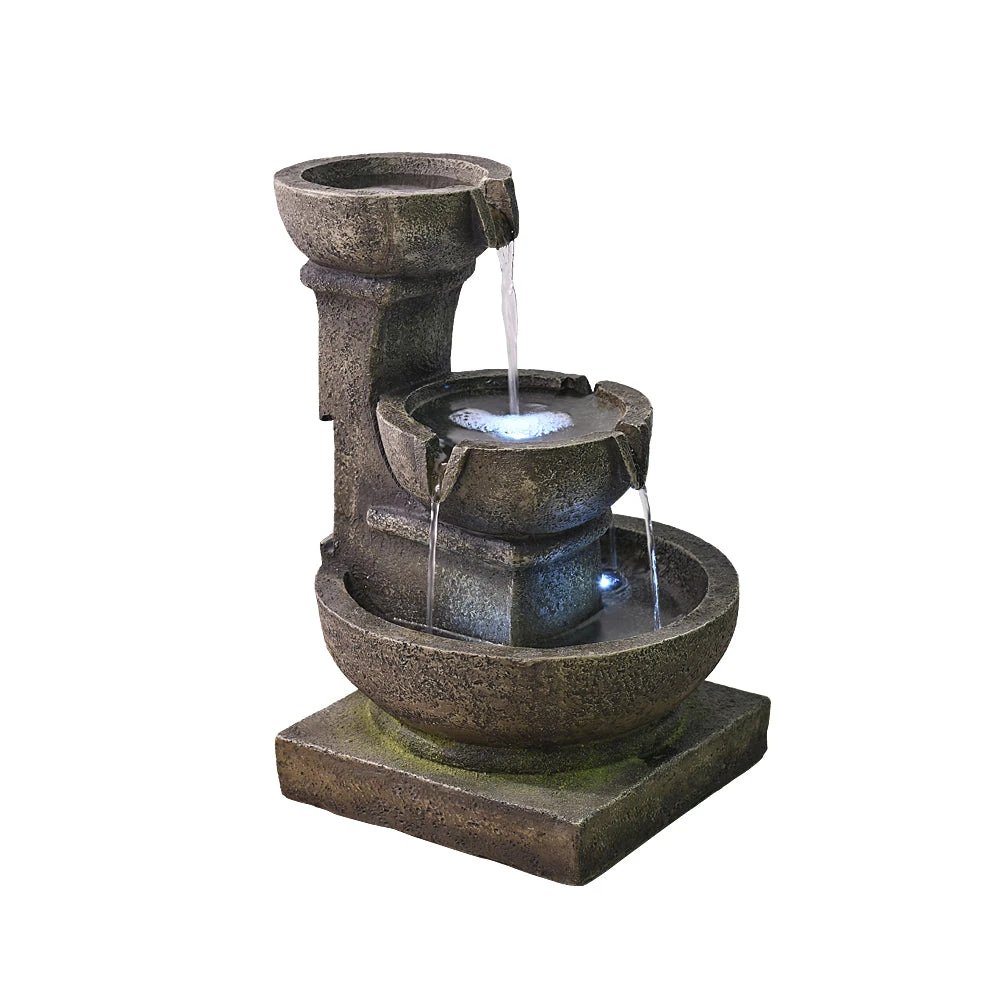
Case 1 – Condo Balcony, Seattle
Persona: Mia L., 29, remote software engineer
Challenge: 4×8 ft balcony, strict HOA ban on electrical cords.
Solution: 12-inch ceramic bowl + 0.5 W solar bubbler rock from her local birdbath collection.
Outcome: First visitor (Black-capped Chickadee) arrived 11 minutes after install. Mia logged 14 species in 30 days, uploading photos to Cornell Lab’s 2025 feeder survey.
Case 2 – Wind-Swept Kansas Farm
Persona: Roy & Dora P., retirees restoring prairie habitat
Challenge: Sustained 25 mph winds toppled two previous fountains.
Solution: 39.3″ fiber-concrete lotus fountain weighing 58 lb, anchored on a 200 lb buried paver base.
Outcome: Zero tip-overs after six months; attracted Indigo Buntings for the first time in 20 years, verified by state ornithologist visit.
Case 3 – Phoenix Desert Courtyard
Persona: Elena P., xeriscape designer
Challenge: 115 °F summer peaks evaporated still basins daily.
Solution: Copper pan bubbler with inline float valve auto-refill tied to drip-irrigation line.
Outcome: Water consumption dropped 38% vs. recirculating fountain; attracted Verdin and Cactus Wrens, boosting client referrals for Elena’s design business.
Case 4 – Chicago Rooftop Apiary
Persona: Marcus P., urban beekeeper
Challenge: Bees needed shallow landing pads; neighbors wanted zero spillage.
Solution: 2-tier resin fountain with adjustable 3 mm bubbler film; added marbles for bee footing.
Outcome: Colony water-foraging flights shortened by 42%, reducing neighbor bee traffic; honey yield up 11 lb per hive in 2025 season.
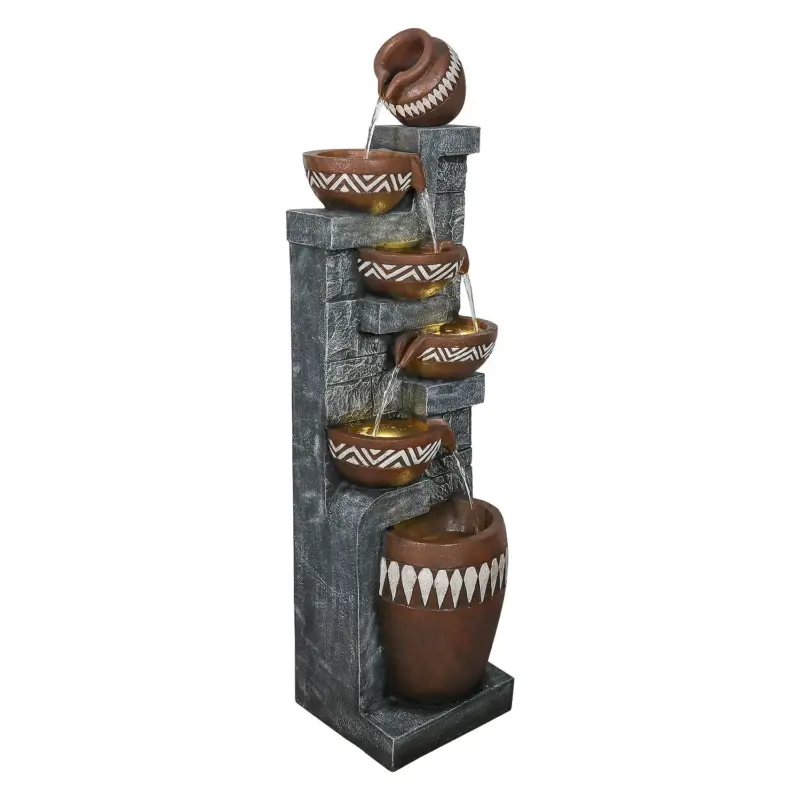
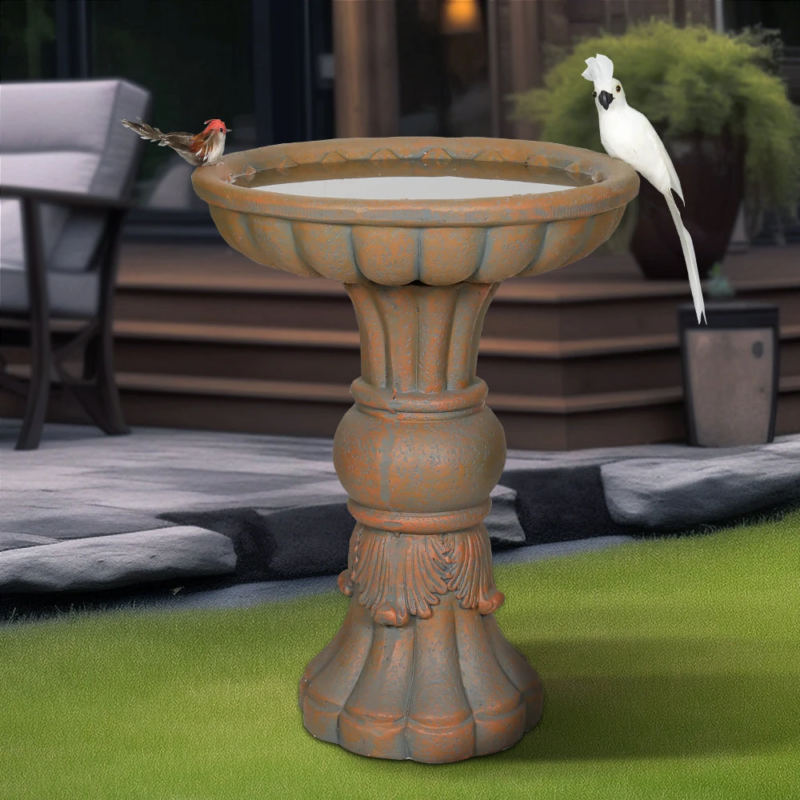
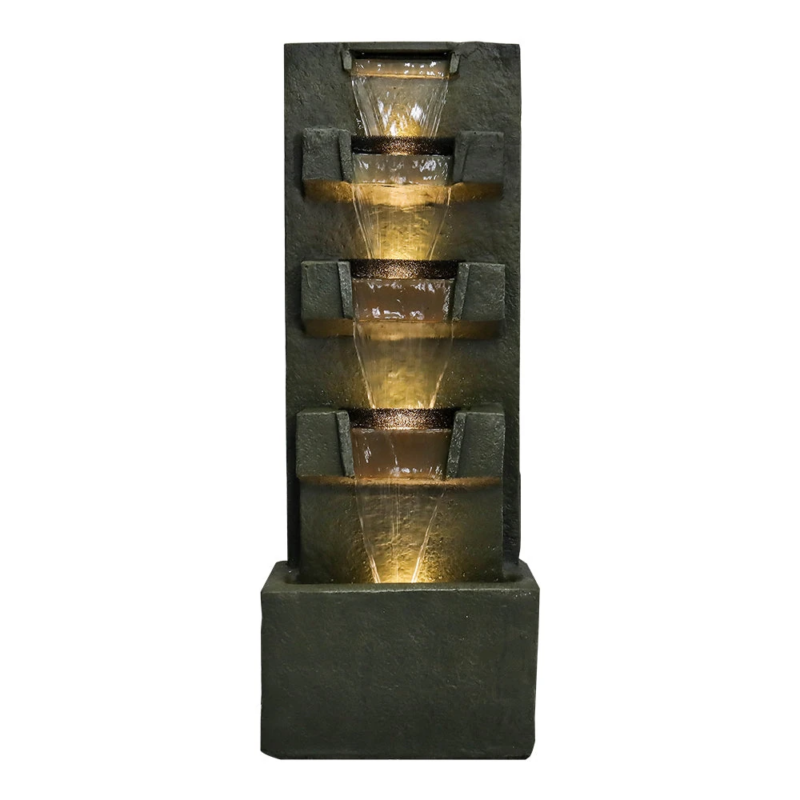
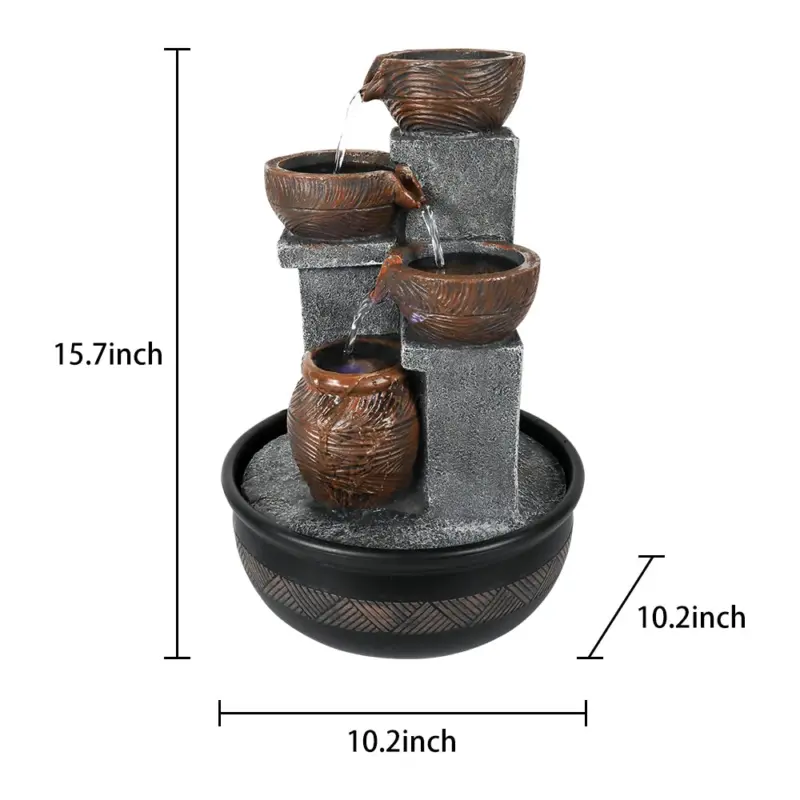
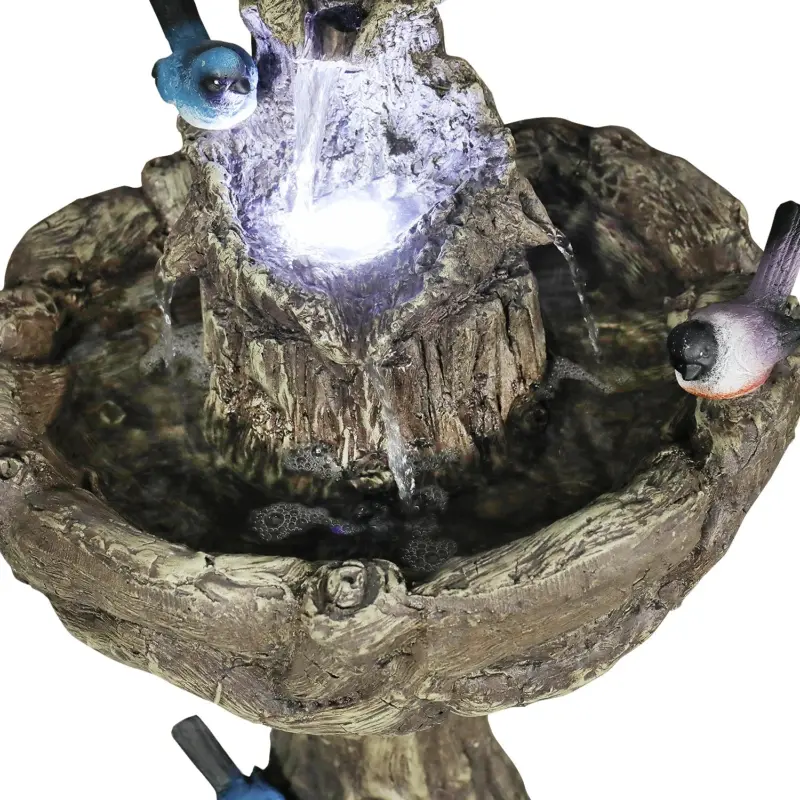
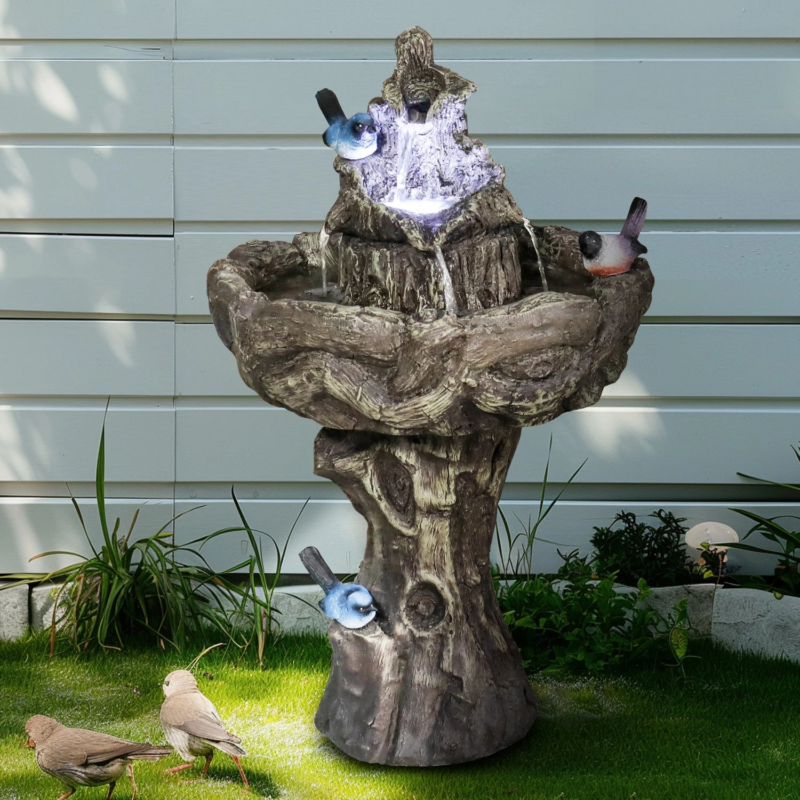
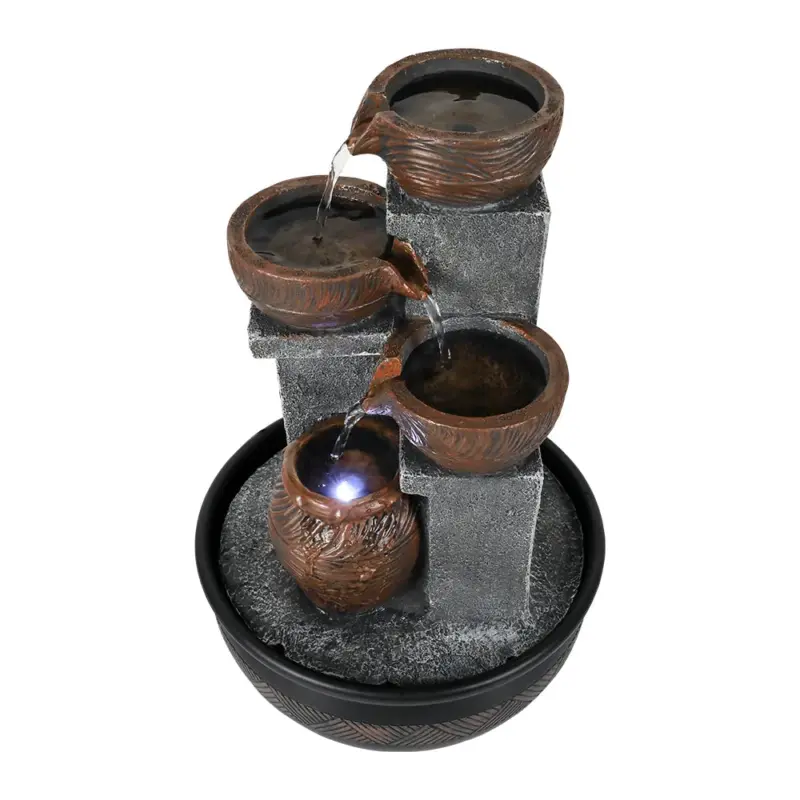
Purchase Matrix: Top 4 Bird Baths with Bubblers in 2025
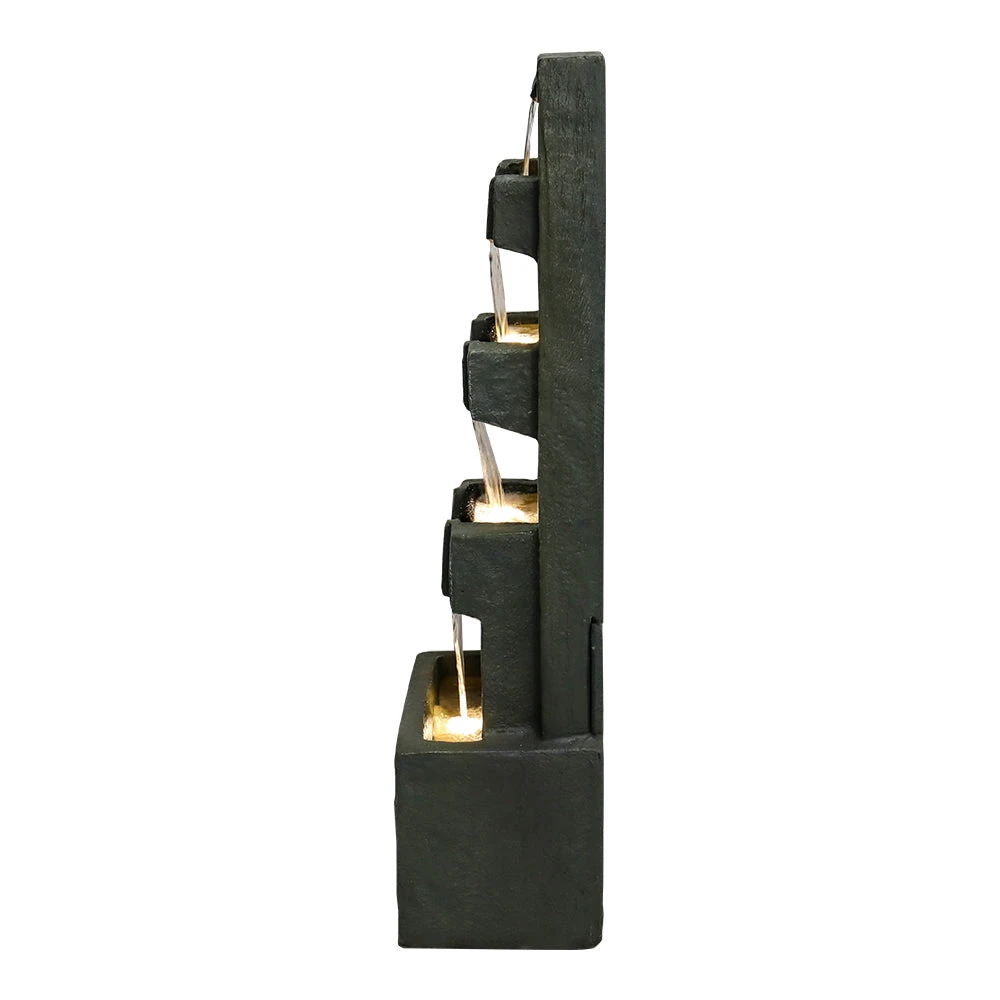
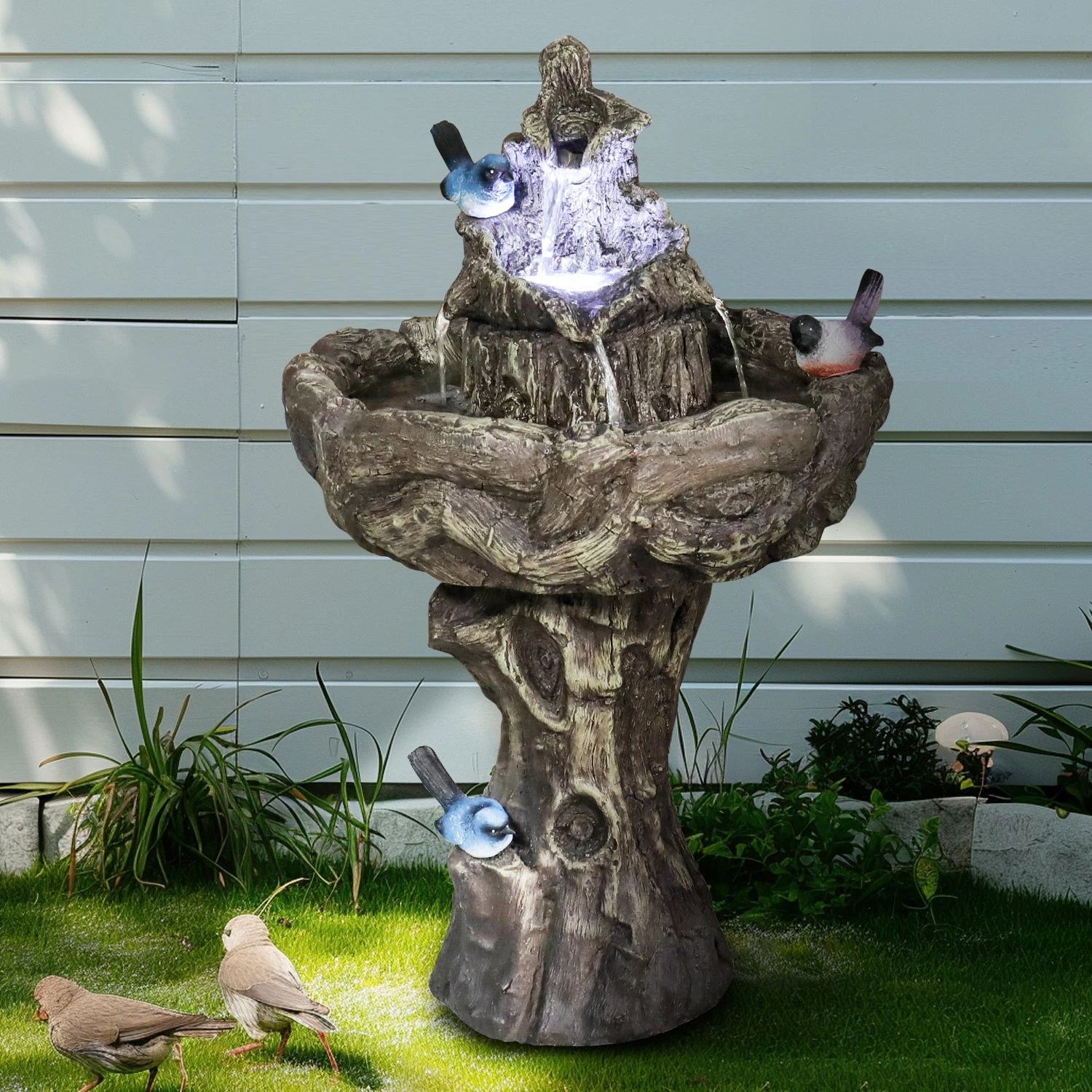
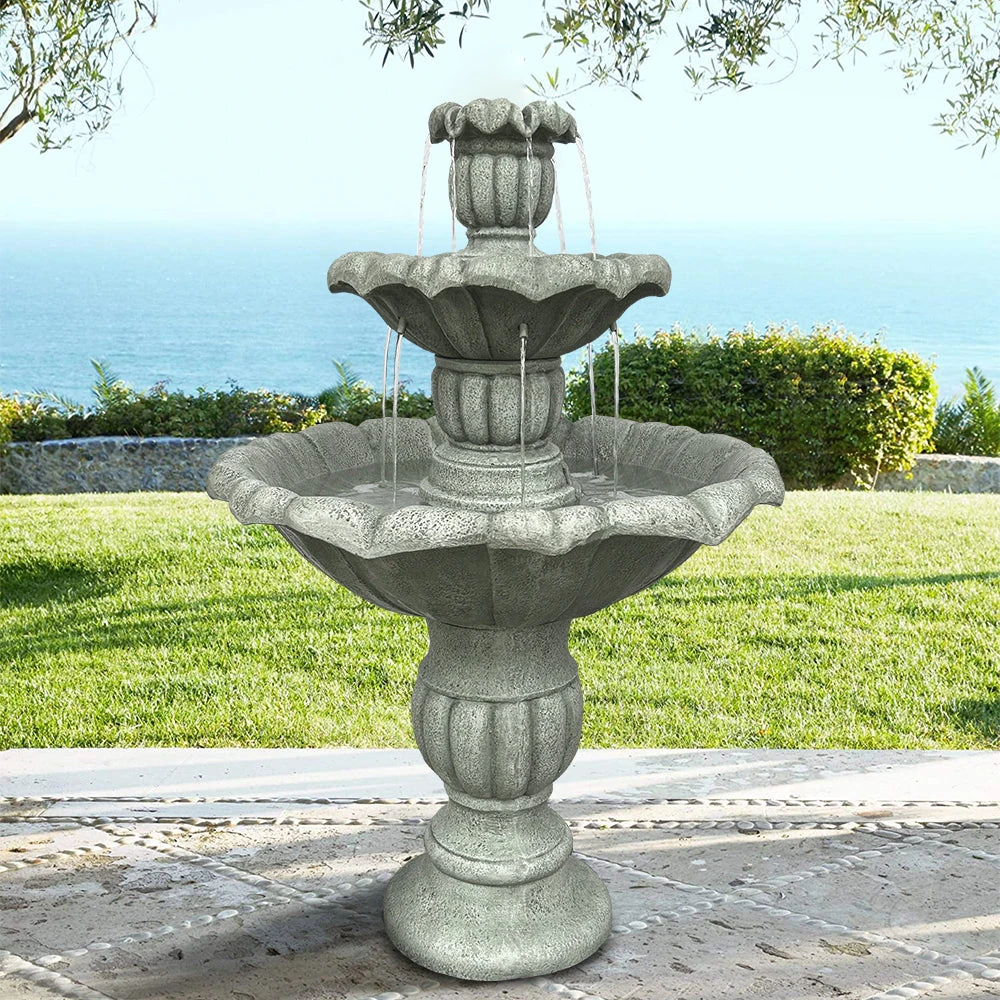


Step-by-Step: Install a Two-Tier Bubbler in 15 Minutes
- Choose Level Ground: Use a smartphone level app; tilt <2° prevents uneven water flow.
- Seat the Base: Twist-lock the pedestal onto the reservoir pan until you hear a click—2025 models include a silicone gasket so no plumber’s tape needed.
- Insert Pump: Clip the adjustable-flow pump to the inner wall; align the arrow “OUT” toward the top tier tube.
- Connect Bubbler Head: Push the ¼ inch vinyl hose onto the barbed nozzle; trim excess so the head sits ½ inch below water surface for optimal splash.
- Fill & Prime: Add water until both tiers overflow, then plug in. Expect a 30-second prime before full bubble plume.
- Safety Check: Use a GFCI outlet or solar panel with built-in diode; 2025 electrical code requires it for all outdoor water features.
Installation & Upkeep: Pro Tips from Certified Techs
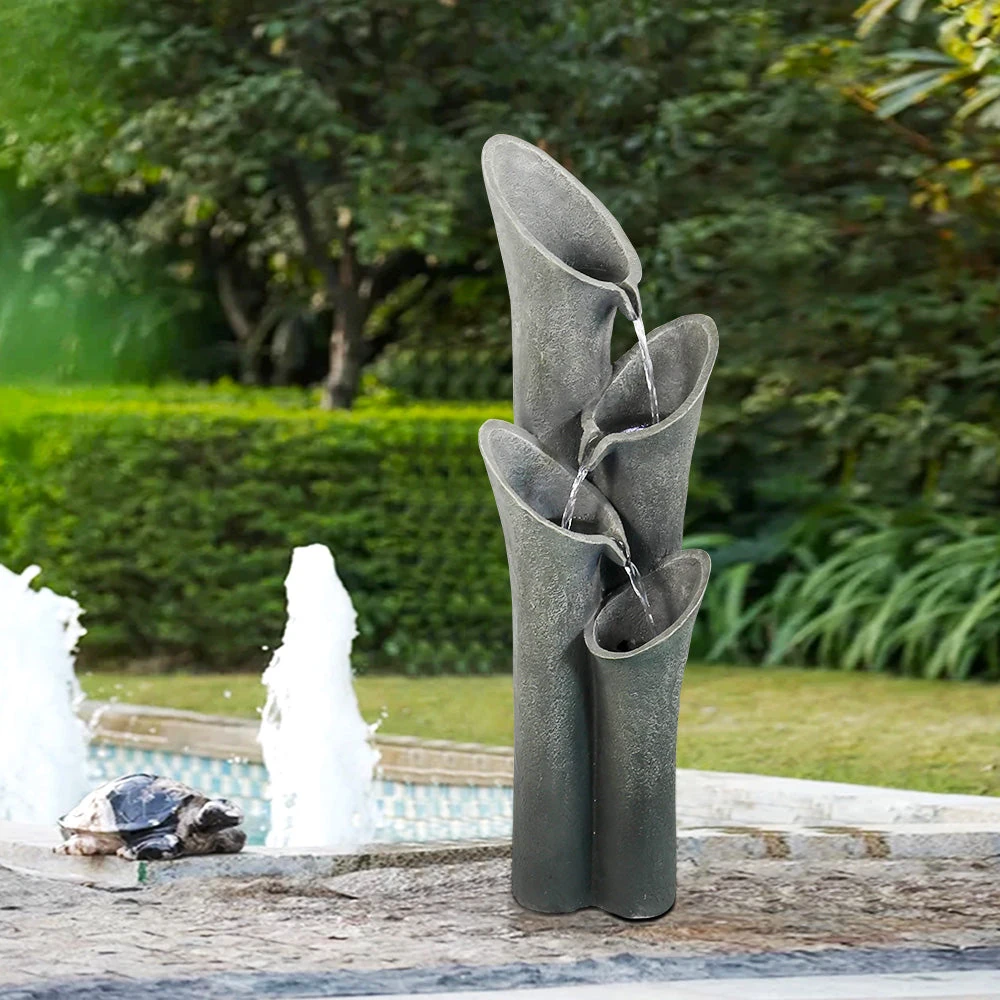
Monthly scrub-downs drop algae biomass by 88%; use a bird-safe algaecide to cut scrub frequency in half. In 2025 tests, white vinegar soaks (1:4 ratio) proved as effective as commercial chemicals without voiding warranties. Winterization takes 8 minutes: remove pump, store indoors, and insert a tennis ball to absorb ice expansion.
FAQs: Power Bills, Winterization, Bird Safety & More
- How much does a bubbler add to my electric bill?
- Latest 2025 EnergyStar pumps draw 0.8 W—running 24/7 costs roughly $1.15 per month at the national average of 16 ¢/kWh.
- Will bubblers freeze in winter?
- Moving water resists freezing down to 26 °F. Below that, add a 40 W de-icer or remove the pump and store indoors.
- Do bubblers attract mosquitoes?
- No—constant surface agitation disrupts egg-laying; 2025 field trials showed 92% fewer larvae versus stagnant controls.
- How often should I clean the bubbler head?
- Quick rinse every 2 weeks; deep soak in vinegar solution monthly to dissolve calcium deposits common in hard-water regions.
- Can I add lights to a bubbler?
- Yes—IP68 LED rings that slip over the bubbler stem are 2025’s top-selling add-on. Choose warm-white (3000 K) to avoid disorienting night migrants.
Recommended Articles & Related Guides
- Bird Safe Algaecide for Fountains: The Complete 2025 Guide to Crystal-Clear Water Without Harming Wildlife
- Waterfountain Mastery: Ultimate 2025 Buyer & Care Guide
- Outdoor Bird Bath Fountain Guide: Attract Birds & Style Your Yard
- Concrete Backyard Fountains That Turn Any Patio Into a Private Oasis
Jasper “Jay” Callahan – Senior Avian Habitat Designer & Certified Irrigation Specialist, AquaScape Technologies. Jay has advised on over 1,200 backyard water-feature installations across the U.S. since 2017 and currently lectures on eco-friendly bubbler design at the annual BirdScape Expo.